Comedones, commonly known as blackheads and whiteheads, are a common skin concern that can affect people of all ages. They occur as a result of clogged hair follicles, leading to the formation of small bumps on the skin. This blog post aims to shed light on comedones by exploring their causes, different types, and potential treatment options.
What are Comedones?
Comedones are a type of acne lesion characterized by the accumulation of oil, dead skin cells, and bacteria within the hair follicles. They can appear as either blackheads or whiteheads, depending on the level of oxidation of the clog.
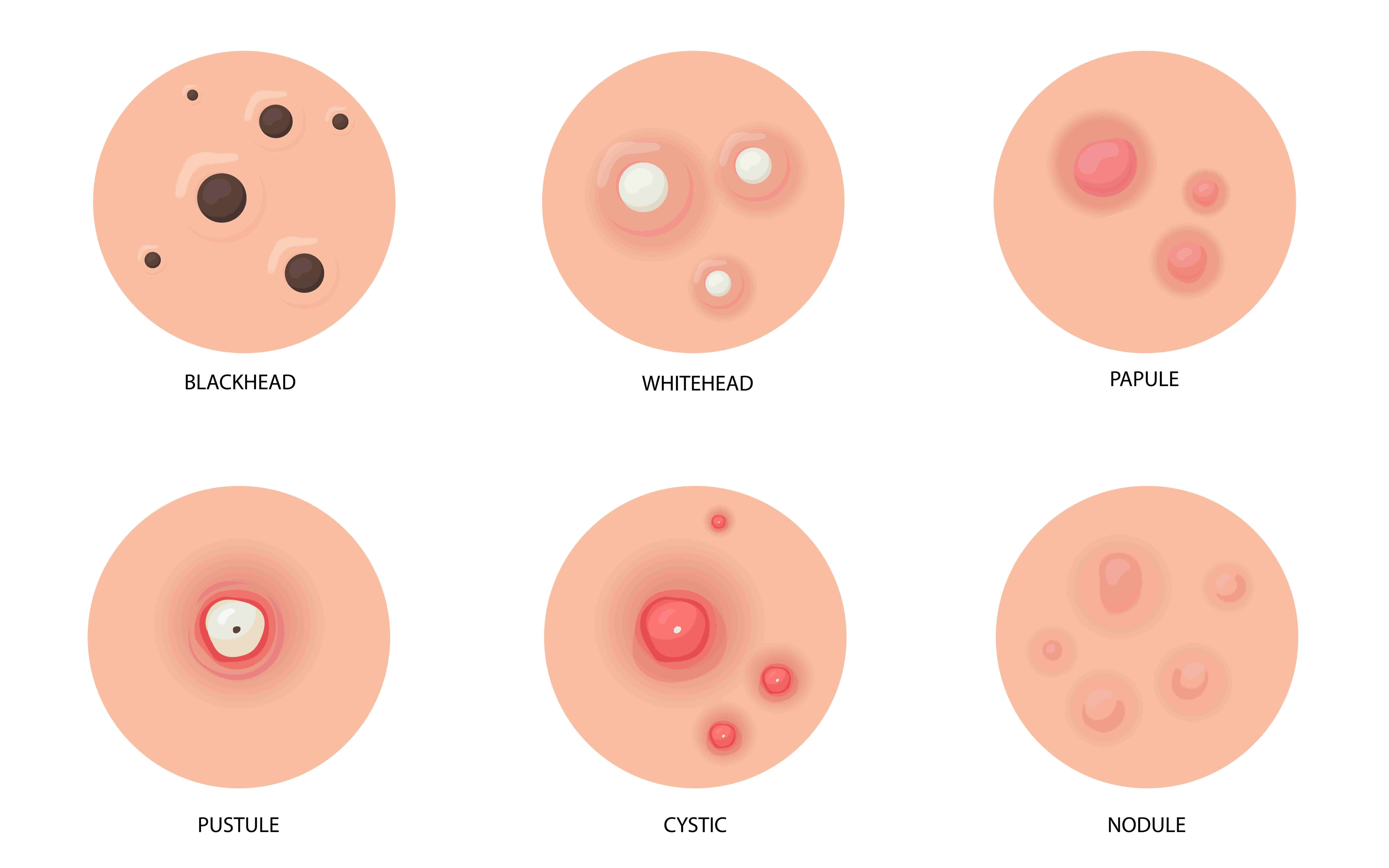
Types of Comedones: a) Blackheads: Blackheads are open comedones where the clogged pore remains open, allowing the trapped material to be exposed to air. The dark appearance of blackheads is due to the oxidation of the sebum and dead skin cells. b) Whiteheads: Whiteheads are closed comedones where the clogged pore remains covered, preventing exposure to air. They appear as small, flesh-colored bumps on the skin.
Causes of Comedones: Several factors contribute to the development of comedones, including: a) Excessive sebum production: Overactive sebaceous glands can produce excess oil, leading to clogged pores. b) Hormonal changes: Fluctuations in hormone levels, such as during puberty, menstruation, or hormonal imbalances, can trigger increased oil production and contribute to comedone formation. c) Poor skincare routine: Inadequate cleansing, failure to remove makeup, or using comedogenic (pore-clogging) skincare products can contribute to the development of comedones. d) Diet: While the link between diet and comedones is not fully established, some studies suggest that high glycemic index foods and dairy products may worsen acne symptoms.
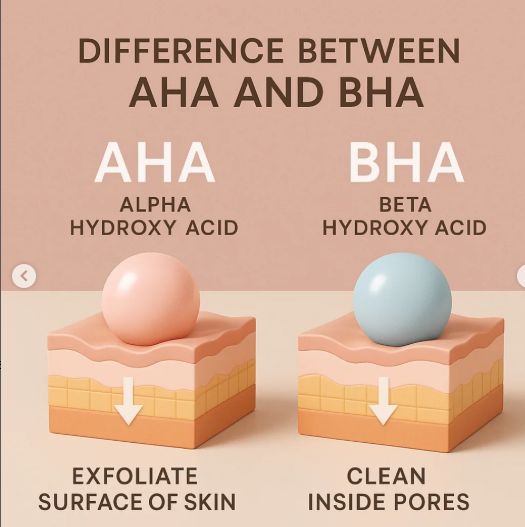
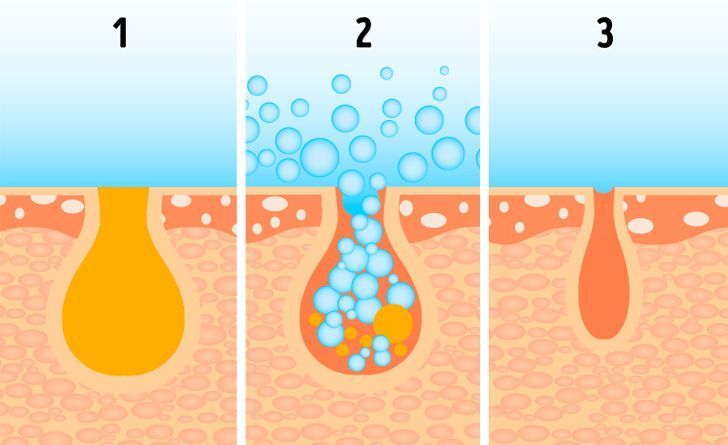
Treatment Options for Comedones: a) Topical treatments: Over-the-counter creams, gels, or lotions containing ingredients like salicylic acid, benzoyl peroxide, or retinoids can help unclog pores, reduce inflammation, and promote skin cell turnover. b) Professional procedures: Dermatologists may recommend procedures such as comedone extraction, chemical peels, or microdermabrasion to remove comedones and improve the overall appearance of the skin. c) Healthy skincare habits: Establishing a consistent skincare routine that includes gentle cleansing, exfoliation, and the use of non-comedogenic products can help prevent and manage comedones. d) Lifestyle modifications: Adopting a well-balanced diet, managing stress levels, and avoiding excessive sun exposure can contribute to overall skin health.
Comedones are a common skin concern that can be effectively managed with the right approach. Understanding their causes, types, and treatment options empowers individuals to take proactive steps towards achieving clearer, healthier skin. Whether through topical treatments, professional interventions, or healthy skincare habits, combating comedones is possible, allowing you to enjoy a smoother, more radiant complexion.
Remember, consulting with a dermatologist is always recommended for personalized advice and guidance tailored to your specific needs.