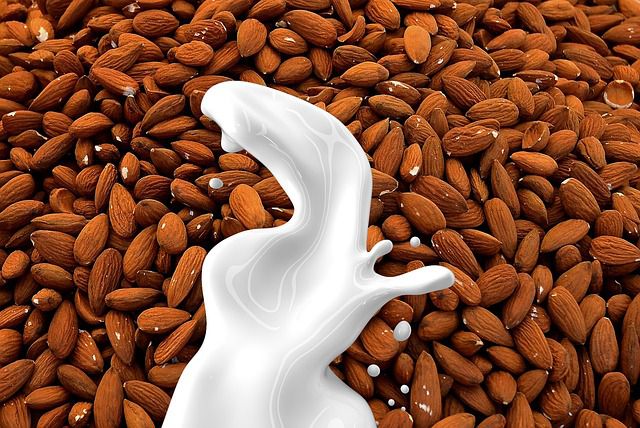
In recent years, there has been a notable shift towards plant-based diets, driven by health consciousness, environmental concerns, and ethical considerations. One of the key components of this dietary shift is the adoption of plant-based milk as a viable alternative to traditional dairy milk. Plant-based milk, derived from sources such as nuts, seeds, grains, and legumes, not only offers a range of health benefits but also empowers individuals to create their own wholesome concoctions right at home.
The Benefits of Plant-Based Milk:
- Dairy-Free Goodness: Plant-based milk is a boon for individuals who are lactose intolerant, allergic to dairy, or simply looking to reduce their dairy intake. It provides a creamy and flavorful substitute that can be used in cooking, baking, and as a standalone beverage.
- Nutrient Diversity: Different types of plant-based milk offer unique nutrient profiles. For instance, almond milk is rich in vitamin E and healthy fats, while soy milk provides a good dose of protein and calcium. Oat milk offers dietary fiber and beta-glucans, which can aid heart health.
- Low in Saturated Fat: Most plant-based milk options are naturally low in saturated fat, making them heart-healthy choices. This can contribute to lower cholesterol levels and reduce the risk of heart disease.
- Vitamins and Minerals: Many commercially available plant-based milks are fortified with essential vitamins and minerals, such as vitamin D, vitamin B12, and calcium, ensuring that consumers still get the nutrients they need.
- Eco-Friendly: Plant-based milk production generally has a lower environmental footprint compared to dairy farming, which can significantly reduce greenhouse gas emissions, land and water use, and deforestation.
- Customizability: Making plant-based milk at home allows you to control the ingredients and customize the flavors to your preference. You can experiment with sweetness levels, flavorings, and thickness.
How to Prepare Plant-Based Milk at Home:
Making your own plant-based milk is surprisingly simple and requires minimal ingredients. Here's a basic method using almonds as an example:
Ingredients:
- 1 cup raw almonds
- 4 cups water (for soaking)
- 3-4 cups water (for blending)
- Sweeteners and flavorings (optional): dates, vanilla extract, maple syrup, etc.
Instructions:
Soak the Almonds: Place the almonds in a bowl and cover them with about 4 cups of water. Let them soak overnight or for at least 8 hours. Soaking helps soften the almonds, making them easier to blend and improving their digestibility.
Drain and Rinse: After soaking, drain and rinse the almonds thoroughly.
Blend: In a blender, combine the soaked almonds with 3-4 cups of fresh water. Blend on high speed until you get a smooth, creamy consistency.
Strain: To separate the almond milk from the almond pulp, strain the blended mixture through a nut milk bag, fine mesh strainer, or cheesecloth into a large bowl or pitcher. Squeeze or press the bag/strainer to extract as much liquid as possible.
Flavor and Sweeten: At this point, you can add sweeteners and flavorings if desired. Blend in dates, vanilla extract, or a touch of maple syrup for added taste.
Store: Transfer the freshly made almond milk to clean glass bottles or jars and store it in the refrigerator. Homemade plant-based milk may separate over time, so give it a good shake before each use.
Plant-based milk offers a delicious and versatile alternative to traditional dairy milk. By harnessing the benefits of various plant sources, individuals can enjoy a nutrient-rich and sustainable beverage. Crafting your own plant-based milk at home empowers you to take charge of your diet, reduce your environmental impact, and explore a world of flavors that cater to your unique preferences. So, whether it's almond, soy, oat, or any other plant-based milk, the possibilities are as diverse as the plants themselves.